
Energy efficiency has become very important for homeowners who want to get more out of their home and reduce their carbon footprint. The first step towards this is creating a self-powering home that will boost your energy efficiency with insulation and a change of appliances being some of the most popular choices. These can help you use less energy and create a home that is self-sustaining.
Luckily for homeowners, there’s never been a better time to make your home self-powering with there being better technology than ever before and more streamlined solutions. The process of building a home has also become easier with there being improved ways to reach heights by using machinery like powered access, perfect for designing your self-powering roof.
This guide will explore some of the best ways to construct a home, so that it can generate its own power and give you a sustainable future. Continue reading to find out more about why generating your own power at home should be at the top of your priority list.
How to Create a Self-Powering Home
Minimise Energy Consumption
Building a home that makes its own power means first designing a house that barely uses any energy. Think of it like putting the house on an extreme energy diet. You achieve this by improving the insulation and sealing every tiny crack, so you can keep out unwanted draughts. You can also install high-quality windows and use the sun’s position to help heat the home in winter instead of using the heating, which can cost a lot of money.
Energy efficient devices should also be used where possible, like a heat pump for heating and LED bulbs for lighting. Only once you do things like this should you install solar panels to easily produce all the power it needs.
Renewable Energy Generation
Finding ways to generate the energy in your home is very important and you should seek renewable methods to give your home the best sustainability, reducing your carbon footprint. The following ways are proving to be popular with homeowners:
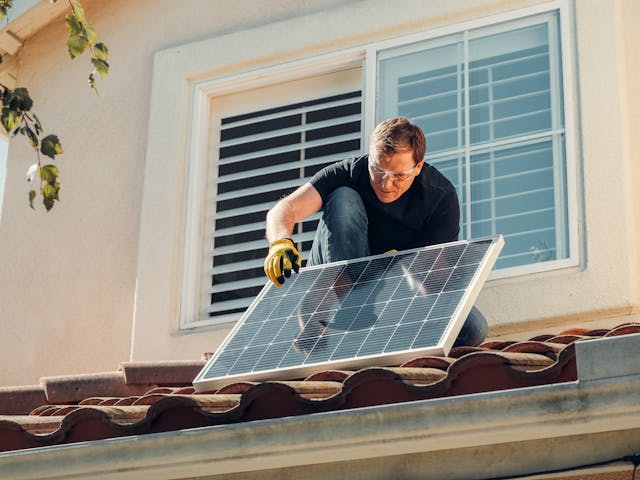
- Solar Panels: This is the most common and cost-effective method. Panels are installed on the roof or on ground mounts to convert sunlight directly into electricity.

- Sizing: The number of panels needed is calculated based on the home’s total annual energy needs and the solar potential of the site.
- Wind Turbines: Smaller residential turbines can be an option in very windy, less-developed areas where there is minimal surrounding interference.
- Other: Micro-hydro systems may be suitable for properties with flowing water, but they are highly site-specific so you should consult experts before choosing this.
Energy Storage
Even when generating its own power, a self-sufficient home relies on energy storage to keep the lights on after the sun sets. The most common solution is battery storage, which saves the excess electricity produced by solar panels during the day for use at night or on cloudy days. Most homes remain connected to the utility grid and this connection allows the home to use the grid as a free backup battery, which sells extra power back and only draws it when generation is low.
While off-grid homes exist, they require significantly larger and more expensive backup generator systems to ensure reliable power 24/7. This is a good solution for homes that want to become more sustainable.
Install Systems
A typical self-powering system includes the panels themselves, mounting racks to secure them and various wiring components like junction boxes and electrical conduit. An inverter must be installed to convert the power generated by the panels and stored in batteries into the power that all of your household appliances and outlets use. The system also requires easy-to-access disconnect switches for safe shut-down during maintenance.
All components must be correctly grounded and wired according to code to ensure both safety and optimal performance, which makes sustainable design so popular in the modern world.
Planning and Construction Steps
Work with a Specialist Designer
Hiring a specialist designer or architect with proven expertise in standards like Net-Zero Energy (NZE) can help you with getting the self-powering home you want. These professionals are critical because they use advanced energy modelling software to accurately predict your home’s energy consumption before construction starts. This early insight prevents costly mistakes to ensure its designed with the right insulation, windows and orientation that will improve your home.
Focus on Air Sealing
During the construction of your self-sufficient home, remember that air sealing is the single most cost-effective step for energy reduction. You must work closely with your builder to ensure sealing of every possible air pocket to prevent conditioned air from leaking out. This can be great for effective mould removal. To verify this essential airtightness meets the necessary high standards, a blower door test should be performed. This diagnostic test pressures the house to expose and measure air leakage, confirming your efforts will effectively lock in the savings.
Consider the Costs
While building a net-zero energy home typically requires a higher upfront construction investment, often adding an estimated 10% to 15% to the total cost compared to a standard build, the financial returns and lifestyle benefits are substantial. This initial cost is quickly offset by lower utility bills for the life of the home. These sustainable houses enjoy a higher resale value in the housing market too and provide the occupants with significantly increased comfort.
Land Importance
Before any foundations are poured, the design must consider the local climate, sun path and site conditions. This includes placing the home’s long side facing the equator to maximise solar gain, while trees or structural overhangs are strategically used for seasonal shading to prevent summer overheating. Designers need to think of everything from the height of wind turbines to the aesthetic requirements for solar panels, ensuring the self-powering home is both efficient and legally compliant.
Conclusion
Building a home that makes its own electricity is a rewarding process that turns a regular house into a valuable asset. Cutting down on how much energy the house uses will make this project very fulfilling. You do this with careful air sealing and excellent insulation, which creates an efficient barrier that prevents any unwanted air for entering the home. While the first cost is higher with sustainable design, the long-term benefits are huge and will save you money in the long term. You will have no more utility bills, a higher home value and much better comfort inside your home, which will make it more liveable. By working with expert builders and focusing on quality, you are building more than a house you are securing a self-sufficient future.